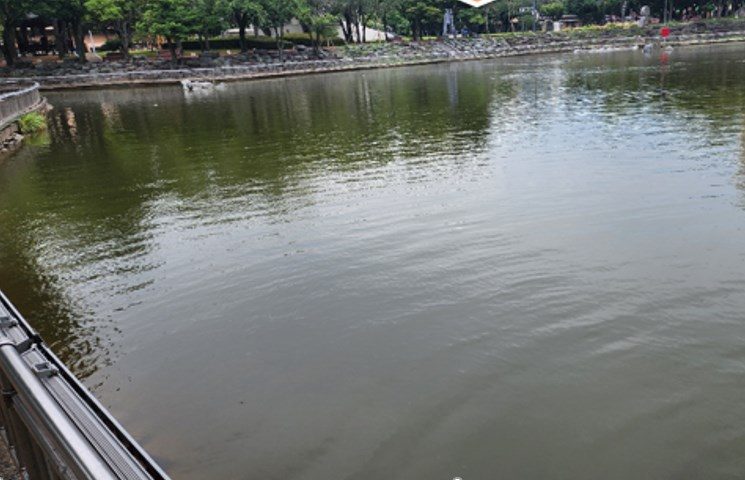
Geobukseon Park, Yeosu
Chl-a −96% (938.8 → 33.2 mg/m³) · 3 months after installation
Algal blooms and odour come from organic sediment on the bottom. Treat only the surface and it returns next year. Send air to the bottom as nanobubbles and the sediment breaks down; the bloom does not return.
| Model | Type · use | Power | Supply | Size · weight |
|---|---|---|---|---|
| RS375 | Floating · algae, oxygenation, sediment | 3.75 kW | 3-phase 380 V 60 Hz · 8.4 A | 2040×2300×830 · 120 kg |
| RS1500 | Floating · large lakes, dams, rivers, harbours | 15 kW | 3-phase 380 V 60 Hz · 31 A | 2040×2300×830 · 260 kg |
| PRS750 | Plasma hybrid rapid oxidation · refractory organics, disinfection | — | — | — |
Unit count and combination are sized from area, depth and inflow. Remote HMI and control panel are included. PRS750 specifications vary by module configuration and are provided on consultation.
Cheongna Lake Park configuration: 20 plasma modules + 2 × 10 L/min oxygen generators + 2 × 5 HP submerged nanobubble units (inflow 5,000 t/day). Daecheong trial: single 20 HP unit, 1,200 m² silt-curtain enclosure × 1 m depth, 2 t/min discharge.
Review of area, depth, inflow and latest water-quality data. Site visit if needed.
Unit count, layout, power, quotation. Route: PPS Innovative Product / technology agreement / patented-tech use agreement.
Point-by-point water analysis before installation sets the baseline; then installation and commissioning.
Continuous operation via remote HMI. Pre/post water-quality effect report delivered.
Chl-a −96% (938.8 → 33.2 mg/m³) · 3 months after installation
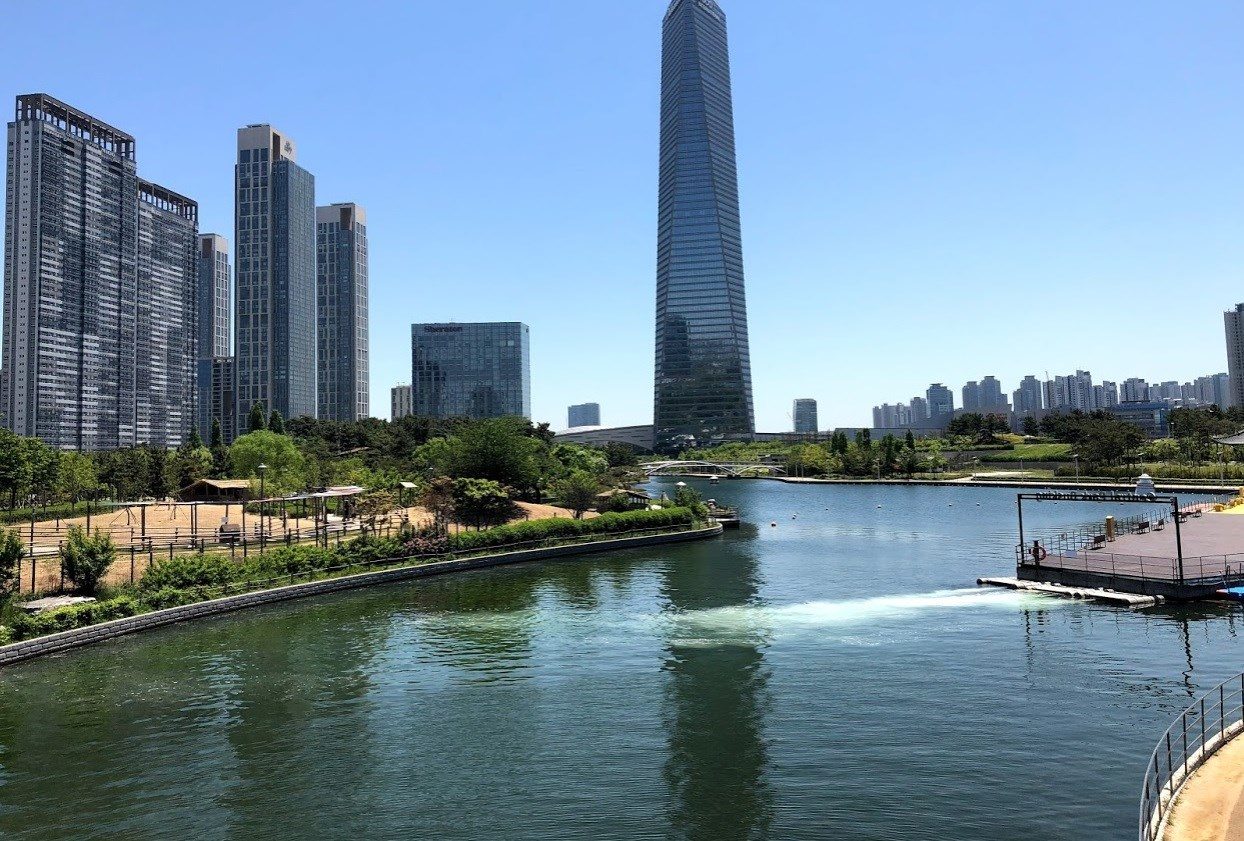
Only WQI Grade I · seaweed −90% (Incheon Inst. of Health & Environment 2023.11) · seawater intake cut to 300–500 t/day
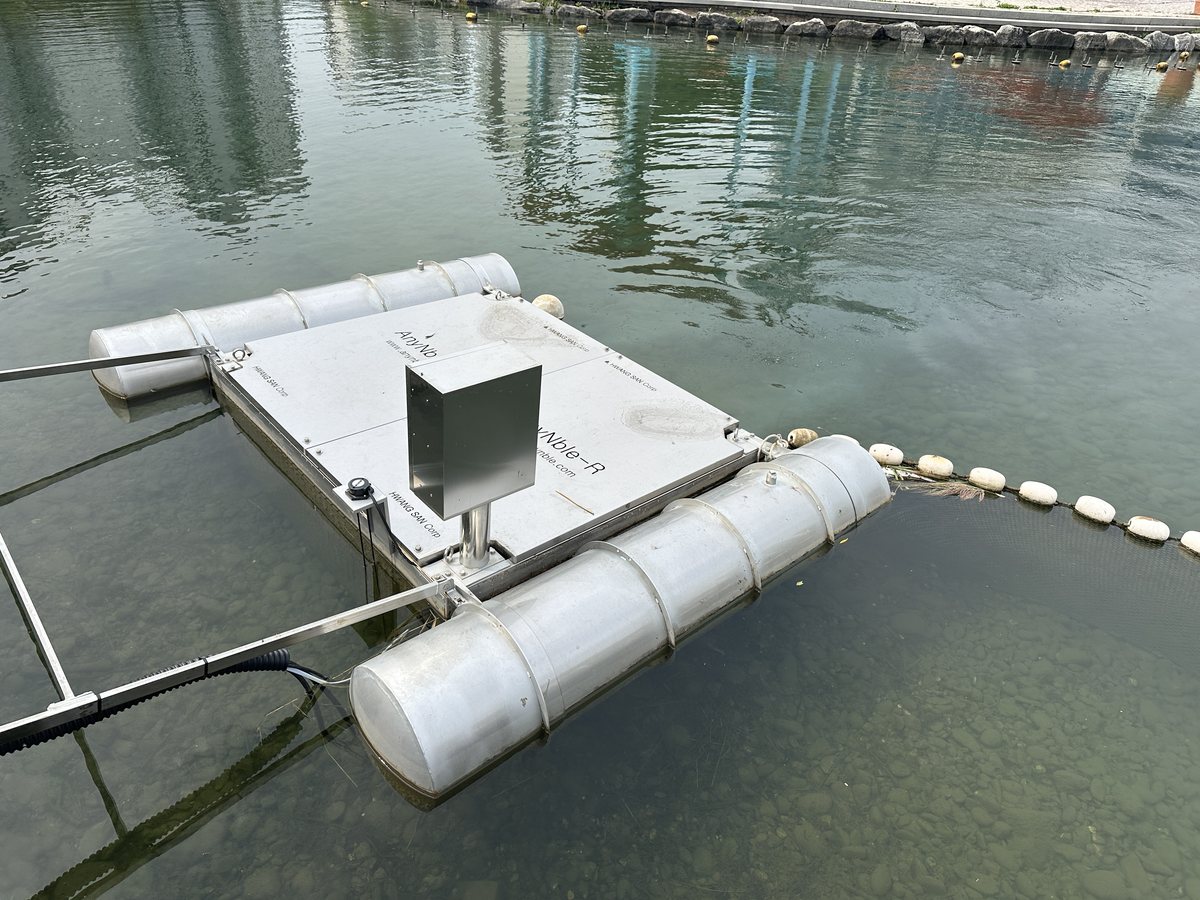
20 plasma modules + 2 × 10 L/min oxygen generators + 2 × 5 HP submerged nanobubble units · inflow 5,000 t/day · 4-point pre/post analysis
Send us your water body.
Area, depth and latest water-quality data are enough for an equipment configuration and budget range.